
More Information
Submitted: March 19, 2026 | Approved: March 31, 2026 | Published: April 01, 2026
How to cite this article: Satralkar M. Advancing AI-Sleep Systems to Restore Neurological Sleep Disorders and Precision Health in New Zealand. J Neurosci Neurol Disord. 2026; 10(1): 015-024. Available from:
https://dx.doi.org/10.29328/journal.jnnd.1001116
DOI: 10.29328/journal.jnnd.1001116
Copyright License: © 2026 Satralkar M. This is an open access article distributed under the Creative Commons Attribution License, which permits unrestricted use, distribution, and reproduction in any medium, provided the original work is properly cited.
Keywords: AI-sleep systems; AI-smart beds; Restoring sleep disorders; Preventing neurological disorders; Preventive sleep medicine; Precision health; New Zealand

Advancing AI-Sleep Systems to Restore Neurological Sleep Disorders and Precision Health in New Zealand
Moses Satralkar*
Sleep Specialist, New Zealand
*Address for Correspondence: Dr. Moses Satralkar, Sleep Specialist, New Zealand, Email: [email protected]
Sleep is necessary for systemic health, brain function and wellbeing. Circadian Sleep Disorders such as Insomnia, Obstructive Sleep Apnea, Narcolepsy and Restless Legs Syndrome are correlated to increasing risks of serious neurological disorders such as Alzheimer’s disease, Parkinson’s disease, Dementia, and Epilepsy. Sleep problems in New Zealand are a significant public health challenge with almost 25% of the population facing some known sleep disorder. Therapeutic surfaces such as adaptive mattresses and adjustable beds were shown in an earlier publication by the author to rehabilitate circadian dysfunctions via better postural support, pressure relief, thermal control and disturbance minimization. Now by integrating AI-sleep systems along with therapeutic surfaces he recommends significant promise for symptom alleviation of neurological sleep disorders by creating intelligent sleep atmospheres gauging movement, respiration, heart rate variability, and temperature regulation. Condition-specific designs of AI allow modulation of sleep environments to a large extent to facilitate better sleep health. AI-sleep systems can thus serve in parallel to rehabilitating individuals along with conventional sleep medicine remedies incident within the health structure in New Zealand. IoT connect and machine learning allows for pattern recognition of sleep profiles, disruption prediction and personalized optimization turning passive sleep-surfaces into highly customized, adaptive, responsive systems. This review studies how AI-smart beds can be used to target the multifactorial nature of neurological dysfunctions and could be transformative by substantially reducing morbidity arising from neurological disorders that may be triggered by sleep dysfunctions. Systems integrating AI into sleep disorders management also demonstrate congruence with the Governments priorities for equitable access to health technologies. The integration of AI-sleep technology into preventive sleep medicine can enhance the development of precision health in future, hence advancing healthy populations.
Defining sleep science, sleep systems and neurological sleep health
Sleep is defined as a state of significantly reduced consciousness where the brain remains active, but the body remains inactive to enable a resting and recovery phase [1,2]. The circadian rhythm of sleep is repetitive over a 24-hour cycle and lasts between 7 - 9 hours depending on various age groups in humans [3,4]. Humans sleep one third of their lifespan, hence the significance of this activity is extraordinary [1]. Sleep is associated with typical postures, such as lying down on sleeping surfaces usually with eyes closed and limbs relaxed. Sleep onset occurs due to release of the chemical adenosine as well as the darkness hormone melatonin in the brain [5,6]. These hormones are secreted periodically at specific times of the day or night. A sleep cycle results in decreased responsiveness to external stimuli where functional response is not spontaneous as compared to a wake cycle [7]. Sleep is also important for nerve cells to communicate with each other across the nervous system [2].
The neuroscience of sleep refers to the effect of sleep on the brain and nervous system in the body [2]. “Sleep Science” or “Somnology” is the multidisciplinary study of the complex physiological state of sleep [8]. Somnology investigates the neural, hormonal, and biological processes governing circadian sleep-wake cycles [9]. It also evaluates mental and physical health, affecting mood, cognitive function, metabolism, and immune system strength [10]. Sleep science examines both internal factors such as biological clocks, genetic conditions, and external variables like light intensity, light exposure, lifestyle, and societal cues on sleep quality [11,12]. Underlying mechanisms of sleep are studied through various interdisciplinary fields including neurobiology, chronobiology, and behavioral medicine [13].
“Sleep Systems” are a coherent combination of environments and surfaces that interact with the brain’s sleep mechanisms to control sleep quality [14]. Extrinsic sleep systems are personalized or therapeutic postural management tools including specialized mattresses, pillows, and beds designed for children and adults to improve sleep quality [15]. Intrinsic biological sleep systems are those regulated by complex interconnected neurological networks in the brain, functioning through the interplay of two primary mechanisms: Process S (homeostatic sleep drive) and Process C (circadian rhythms regulated by the SCN) [9,11]. These include several stages including NREM (non-rapid eye movement) sleep and REM (rapid eye movement) sleep [3].
“Neurological Sleep Health” is critical for maintenance of the brain as deep sleep activates restorative neurological processes and supports brain homeostasis [2]. It is also essential for memory consolidation to convert memory from short-term to long-term in the hippocampus and boost cognitive and physiological functions [2,16]. REM and deep sleep are distinct within the daily 8-hour sleep cycle and vital for neural repair, emotional regulation, and reducing neurodegenerative risks [2]. Any recurring aberrations in sleep or sleep stages due to intrinsic or extrinsic factors could result in sleep disorders as the relationship between sleep disorders and neurological health is complex, with conditions like insomnia, sleep apnea, and restless leg syndrome often tied to underlying neurological issues [3]. Furthermore, research has shown a correlation between sleep disturbances increasing risks of other neurological disorders such as Alzheimer’s disease, Parkinson’s disease, cognitive aging, dementia, and epilepsy/stroke [2,16] (Figure 1).
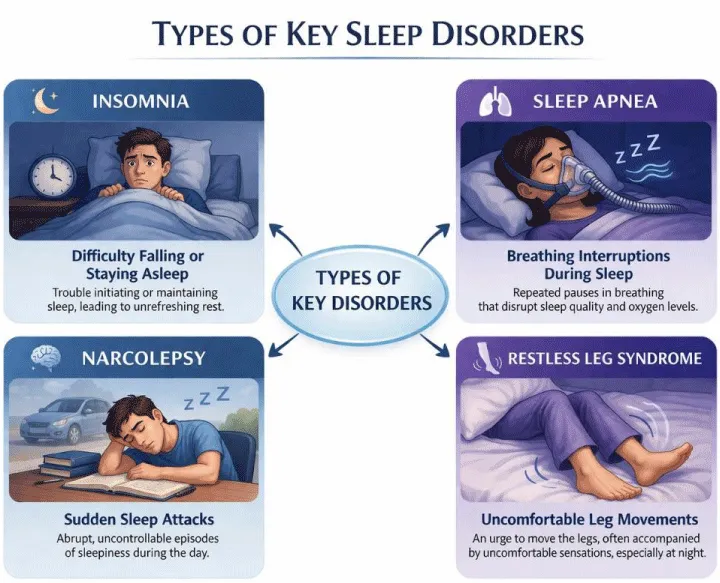
Figure 1: Types of Common Neurological Sleep Disorders in New Zealand [14].
Given that New Zealand’s total population averages approximately 5.2 million [17], with roughly 50.3% female and 49.3% male, about 16% of the population is aged 65 and over, with 17.5% identifying as Māori. The fact that 25% of adults, equating to about 1.3 million individuals, suffer from chronic sleep problems underscores the substantial public health burden. Notably, this prevalence affects diverse demographic groups, including Māori communities, who often experience disparities in sleep health outcomes [17,18]. Approximately 25% of New Zealand adults reported a chronic sleep problem in 2001, while about 13% experienced frequent insomnia symptoms with daytime impairment [19,20]. Thus, as a public health issue, it affects approximately one in four adults in New Zealand due to a combination of lifestyle (eg, addictions), environmental (eg, lack of exposure to adequate sunlight), psychological (eg, stress), and systemic health factors (eg, ailments or ageing). The inequitable distribution amongst ethnicities, genders, and age groups has potentially serious consequences for health, safety, and quality of life [21].
This research review is possibly the first in New Zealand to present a detailed scientific functioning of different types of artificially intelligent smart systems including AI-smart mattresses, IoT-connected and active sensory surfaces with monitoring devices demonstrating potential to restore neurological sleep health for all age groups, genders or disorders within homes or clinics [15,22,23]. The review takes into consideration practical industry innovation, evolving global R&D on AI integration as well as current and future implications for national health policies [24,25]. Various factors that improve or enhance sleep systemically in New Zealand are also the focus of applied research, one of which is AI-smart bed technology [26,27]. The potential of AI-smart beds for preventive medicine and precision health as part of future Government policies is also considered.
Adjustable beds – Smart bases
The ever-evolving product technology has developed adjustable beds with several user benefits. Gone are the days when beds and bases were static; today’s bases are highly active with built-in features of ergonomic mobility, flexibility and remote-controlled usage. Additionally, built-in sensors can track a person’s sleep and systems to control a bed’s climate [28,29]. The continuing innovation in this area demonstrates focus on enhancing sleep comfort, encouraging health and wellness [26,27]. The interaction between technology and healthcare is a promising area for further advancement in intricately adjustable bed systems which will be able to provide custom-tailored support to enhance health outcomes in a wider range of users in complex environments [30].
Active adjustable bases have transformed the way people sleep by allowing them to customize their sleeping surface. These bed bases include an electronically motorized frame that can be adjusted separately for both the upper and lower portions of the bed [31]. Being able to raise and lower the head section independently by remote control is suitable for readers or those seeking a little break in the day by propping up in a comfortable position. This can also help with health conditions such as acid reflux, snoring or sleep apnea [32,33].
For example, elevating the head slightly can help alleviate symptoms of acid reflux by keeping stomach acid down in the stomach [34]. For patients with sleep apnea, adjusting the position of their head and body may enhance airway patency and decrease both frequency and severity of apneic events [35,36]. Raising the leg or foot section (a function of many adjustable bases) can be especially good for anyone with circulation troubles like leg or ankle swelling. Elevating the legs aids venous return which lowers swelling and enhances blood circulation [37-39]. This is also beneficial for people who suffer from lower extremity conditions such as plantar fasciitis or varicose veins [38]. However, individuals with severe heart conditions may need to consult a physician on the use of leg elevation functions in adjustable bases [39].
Aside from these scientific aspects, adjustable bases or mattresses can move and realign to factor in more comfort level to the bed. Multiple models have additional features like different intensities of massage, underbed lighting and even integrated USB ports for charging devices [28]. These additional capabilities contribute to the overall experience of the bed making it more functional and personalized. Since adjustable bases are inherently more complicated due to the number of functions they possess, they also run a higher risk of breakdown compared to simpler bed bases. It is also important to consider adjustable base compatibility with various mattress types and sizes. Although most mattresses are compatible, some specific mattress kinds may not have been designed to support the movement and positioning offered with an adjustable base [31].
Thicker or denser mattresses could be harder to flex and adapt. Several of these mattresses are made of gel or memory foam or latex which can align and fold according to the base movement and are flexible for people who would like to work, read, watch TV in bed or need help to get on or off the bed [33]. Smart bases also offer zonal shifts to support the lumbar regions to alleviate pressure while sleeping thus demonstrating extra spinal support [24]. Commercially these are being manufactured by several companies and are being used in homes, resorts, medical clinics, old age homes and assisted living facilities [26]. In pediatric and disability services, adjustable beds as well as diverse positioning aids are used to protect body shape and maintain safe posture, particularly for children or adults with limited mobility or orthopaedic conditions [14]. Slumberzone is a company in New Zealand that has manufacture several of these active adjustable beds amongst other companies.Innovative sleep systems - Smart mattresses
The impact of crafting innovative sleep systems in the mattress business is promising with continuous research and development of expanding horizons. We can look forward to increasingly sophisticated methods for personalization, more accurate prediction models, and even deeper AI integration throughout every stage of the mattress lifecycle [40,41]. The creation of smart mattresses, which are covered with sensors and adapt to the sleeper’s parameters in real-time is especially interesting [15]. With advances in AI and artificial intelligence algorithms seeping into all areas of the sleeping environment, we may soon be experiencing genuine AI-optimized sleep [26]. Sleep systems are now customizing basic smart mattresses as well as advanced AI mattresses [22].
This technology will revolutionize comfort and support in a mattress, creating personalized sleep solutions that are as unique as the people who use them [27]. The implications for preventive health and well-being are enormous, offering the potential of complete sleep optimization which is as central to a balanced lifestyle as nutritious food or exercise [30]. Several manufacturers recommend pure gel, latex or foam mattresses (without springs) for use with an adjustable base [33].
Slumberzone has developed a specialized mattress the Slumber-Smart that is made of pocket springs that is unique as a smart mattress [14]. In this case, innovation allows the versatile mattress to align effortlessly with the base remaining static. It has a voice recognition feature and unlike an adjustable bed the base remains stationary but allows the mattress to flex and undulate upwards at the head or downwards at the feet with several additional features including anti-snoring, zero gravity and built-in massage modes [14]. The mattress is composed of highly sustainable high-density foam, mini-pocket coils that are malleable and can fold to conform to a wide variety of postures. Moreover, the ortho-cool gel memory foam and high grade tencel fabric make the smart mattress a very comfortable and relaxing sleep surface.
Evolution of AI-smart beds
The use of AI in the bedding sector is a game changer. It is not just about innovation or making sophisticated sleeping surfaces; it is about building on the power of data and advanced algorithms to correlate sleep with health [42,43]. AI-smart beds are gaining momentum combining advanced sensors with custom-made mattresses and adjustable bases with AI-powered algorithms offering sleep solutions [23,44]. Unlike adjusting firmness, temperature or motion, these beds pay attention to an individual’s sleep patterns and make ongoing adjustments over time by tracking that person’s sleep quality and providing direct feedback [45].
Pressure sensors chart the distribution of weight across the body while sleeping to highlight pressure points and areas that may not be properly supported [46]. In addition, motion sensors register alterations in body position and the number, duration and intensity of body movements during sleep [47]. This data can be used to detect sleep disturbances or disorders like periodic limb movement disorder [22].
In addition to movement and pressure, smart mattresses typically feature heart rate and respiration rate sensors [48]. These sensors shed light on both cardiovascular and respiratory activity during sleep detecting abnormalities suggestive of underlying health problems [23]. Other systems include sensors to measure skin temperature and perspiration providing additional information about thermoregulation during sleep [49]. This holistic data collection contributes to a full sleep profile that unveils qualitative health patterns and trends impossible to view with the naked eye [45].
One of the components that make a smart bed smart are its biosensors. These sensors are strategically located in the mattress or frame or both to measure an abundance of information about sleep [15]. Various companies have different models. A case study is the HEKA AI-powered smart mattress that uses real-time sensors and autonomous adjustment systems to optimize spinal alignment and pressure relief [50]. On the other hand, the Tempur-Ergo ProSmart adjustable bed base has Sleeptracker-AI sensors fitted on it to profile sleep of individuals with readings visible on a smartphone app [28]. Thus, in the former the mattress has AI capacity whereas in the latter the base has the AI capacity. Moreover, Slumberzone along with the New Zealand Bed Company, is looking forward to launching a new AI-powered smart mattress in New Zealand in 2026, with the potential to revolutionize sleep health implications that will be covered in another study [51,52]. The advanced features of AI-powered mattresses are illustrated in Figure 2.
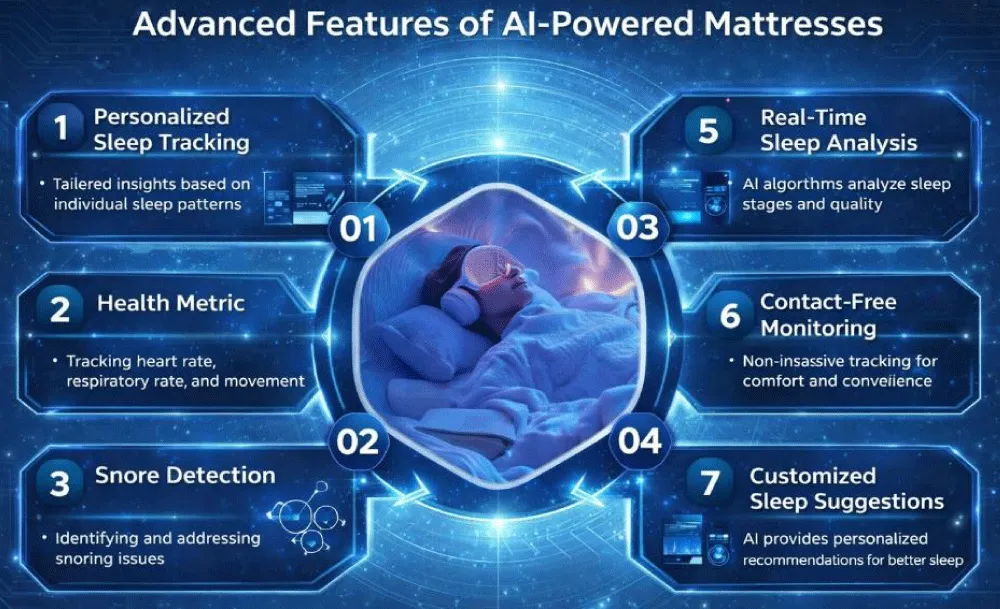
Figure 2: AI-Smart Bed Features, Industry Innovation R & D [14].
A comparative account of sleep on static mattresses and adjustable AI-smart mattresses would shed more light on their efficiency in the future especially to understand sleep health in individuals suffering from chronic disorders [23]. There are clinics and medical centers that undertake case studies yet much more in-depth data and analysis is required [45]. The information obtained by sensors in a smart bed needs to be further processed by intelligent algorithms, which may include machine learning [42]. The algorithms analyze the data to identify patterns and correlations in an individual’s sleep and provide personalized insights to improve sleep quality [53,54]. For example, the algorithm may detect a relationship between sleeping positions and periods of poor sleep quality, recommending adapting sleeping posture or utilizing supportive pillows [49]. The information given by AI is actionable to the extent the firmness of the mattress can change based on height and weight as well as regulating temperature of the sleep surface [29].
Smart beds do have disadvantages in terms of privacy and data security. Using data sets such as these, the beds automatically collate readings to generate personal health profiles daily which generate concerns about confidentiality [55]. Companies must take appropriate steps to protect user data against unauthorized access or misuse. Transparency on data use policies is also important to maintain consumer trust [26]. Another major limitation is the cost factor. Smart beds are far more expensive than ordinary mattresses, making them unaffordable for many people within homes [27]. However, this situation will change as prices are anticipated to lower as technology improves and production ramps up, but early adoption costs represent an entry barrier for most [26]. Moreover, the sophistication of technology can be daunting. Both the amount of data provided and the customized recommendations could confuse someone unfamiliar with sleep technology or data analysis [45]. Consumer-friendly interfaces and user manuals are essential to ensure that consumers can interpret data collected from their smart bed accurately and use the information adequately [55].
Role of specialized mattresses and sleep systems in sleep health
An earlier study on alleviation of sleep-disorder’s using targeted rehabilitation using therapeutic-restorative surfaces was shown in New Zealand [14] which are illustrated in Figure 3. The complex interactions between sleep disorders, circadian rhythms, and sleep environment factors with a specific emphasis on bedding or sleeping surfaces were studied. The paper examined how sleep surface characteristics, including firmness calibration and ergonomic zoning for spinal alignment, temperature regulation, and allergen load, collectively influence sleep latency, sleep efficiency affected the continuity of sleep architecture [56,57]. The paper also explained how rehabilitation of sleep disorders could be carried out. Condition-specific sections connect specialty bedding prescriptions with pathophysiology. For example, medium-firm seven zone hybrid mattresses can help with insomnia [58] and chronic snoring can be reduced using an adjustable base to elevate upper body [59] For obstructive sleep apnea, medium to soft surfaces for side-sleeping support reduces apnea events [60] and for narcolepsy, pressure-relieving surfaces that accommodate multiple sleep positions support the irregular sleep-wake patterns characteristic of this disorder [57]. Finally, for restless legs syndrome, cooler bedding temperatures can help reduce symptom severity, while mattresses supporting the lower back maintain proper spinal alignment to minimize discomfort [61,62]. Overall, the findings support restorative-therapeutic surfaces as a practical, scalable adjunct to pharmacological and behavioral therapies, with the potential to reduce symptom burden, enhance rehabilitation outcomes, and inform consumer, clinical, and industry decision-making around sleep-health interventions in New Zealand [14].
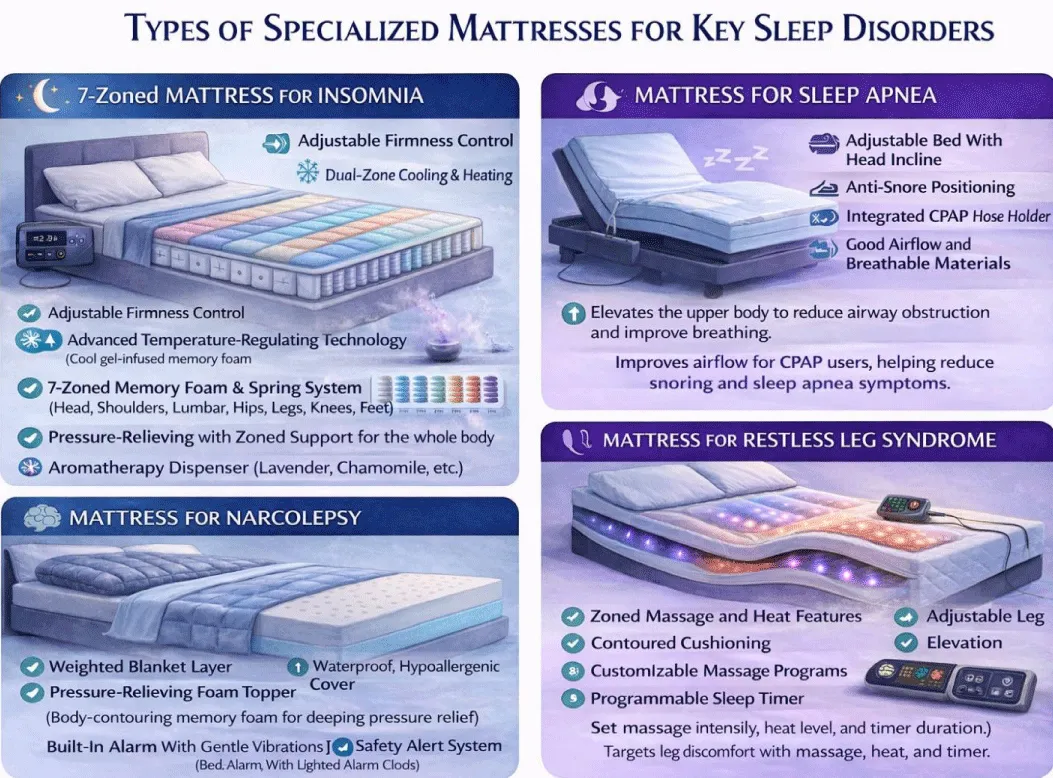
Figure 3: Types of Specialized Mattresses and Adjustable Bases to rehabilitate Sleep-Disorders [14].
Role of AI in sleep profiling for preventive medicine
AI’s reach into sleep also includes the detection of sleep disorders. Finer tuned AI-sleep systems data could provide further insight on cardiac, orthopedic and neurological issues [23,44]. While this is not a substitute for professional diagnosis, such early-detection functionality can be crucial in encouraging someone to visit their doctor [63]. This is an important benefit and may make early detection possible leading to better patient management [64].
In further distinction from basic correlations, advanced algorithms utilize predictive modelling. These algorithms are capable of accurately predicting future sleep patterns from historical data [42,43]. This forecasting capability allows users to act before meaningful sleep disruptions occur. This may allow the user to change their sleep schedule or other aspects of their sleeping environment to minimize disruption [53,54]. AI-powered sleep analysis is all about learning patterns and associations from large volumes of data that smart beds produce [15]. These include pressure mapping, movement identification, heart rate variability, respiratory rate and even skin temperature which are often too complex for human interpretation alone [46,48].
AI models, especially those using machine learning, are particularly effective at identifying subtle patterns and relationships that might otherwise be overlooked [42,43]. For example, sleeping positions may be associated with periods of frequent awakenings due to a combination of anthropometric and environmental factors [49]. Both sleep data analysis and personalized recommendations may be new concepts to many users. Clear, user-friendly interfaces and ongoing support are necessary to enable users to benefit from the insights extracted by these systems [55].
The cost of AI-based sleep analysis is also one of the major bottlenecks in the availability of this technology. Smart beds with sophisticated sensor arrays and advanced AI algorithms are being developed globally as large investments are being made in this industry [26,27]. However, New Zealand is still scaling toward adoption of these technologies within its precision health and AI integration strategies [21,25]. It is expected that prices may reduce in the future depending on market demand and technological scaling [30].
There are several devices for profiling sleep including those worn on the head, wrist, fingers and chest commonly used as in Figure 4. The insights provided by AI analysis of sleep data can be combined with other health monitoring networks [65,66]. This integration allows a more comprehensive picture of an individual’s health and better understanding of associations between sleep and physiological health indicators [67].
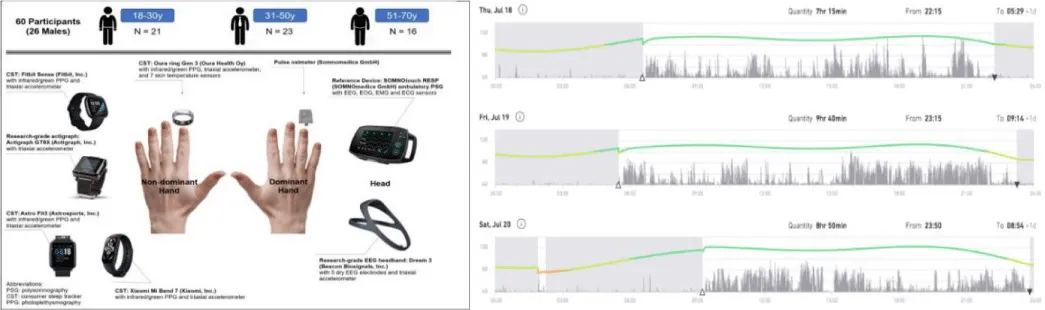
Figure 4: Devices for Sleep Profiling Circadian Sleep Cycles [65].
Through evaluation of data derived from multiple sources, AI systems can provide integrated recommendations to help address interrelationships between sleep and health [49]. In the future, AI implementation shows significant promise in the bedding industry. With improvements in sensor technologies, algorithm development and data analytics, these systems are expected to improve significantly [40,41]. We can expect more precise sleep disorder detection, more customized sleep recommendations and earlier preventive interventions for possible disorders [64,68]. When IoT connected with additional smart home devices such as smart lights, thermostats and environmental sensors, these systems may help create personalized sleep ecosystems [26,30].
After studying the various components of AI-sleep systems and therapeutic surfaces as well as prevailing sleep health issues in New Zealand the author proposes that AI-smart beds could target the multifactorial nature of neurological dysfunctions and could be transformative by alleviating sleep dysfunctions thereby preventing sleep disorders from developing into more severe neurological disorders [14]. This could be accomplished through timely targeted rehabilitation right within homes rather than clinics only. The future of sleep health will thus strongly be influenced by AI as discussed in this section.
AI sleep technology, smart pillows and future AI-integrated sleep ecosystems
Despite remaining challenges, the future of AI in sleep technology is clearly promising, where personalized sleep optimization may become a fundamental component of preventative healthcare [24,25]. AI, sensors, and big data analysis technologies are transforming the bedding industry and challenging traditional notions of sleep [26,27]. AI-based sleep analysis is not only a technological breakthrough in medicine, but rather a paradigm shift that changes how we understand and influence our lifestyles [64,68]. This goes beyond addressing sleep issues reactively and puts people in charge of their own biological rhythms in a way that optimizes sleep and may revolutionize health outcomes [42].
Almost resembling science fiction in practice, smart pillows represent an emerging sleep technology incorporating sound and light therapy. These systems may promote relaxation, reduce environmental sleep disturbances, and support sleep initiation by mitigating physiological and psychological sleep stressors. Smart pillows play soothing ambient sounds including white noise and nature sounds to mask disturbing noises for a more peaceful sleep environment [53,69]. Likewise, certain models incorporate light-based circadian support systems which replicate natural sleep-wake cycles [5]. Due to these light and sound therapy combinations, users may experience a more meditative approach to sleep.
In addition to sensor measurements and environmental adjustments, certain smart pillows also incorporate haptic or positional feedback technologies [15]. For instance, vibration-based feedback systems may assist with correcting posture or sleep positioning to support spinal alignment and reduce sleep disturbances [22]. Futuristic smart pillows may add even more features including aromatherapy and biofeedback integration. Biofeedback procedures could offer immediate feedback on physiological stress responses and guided relaxation strategies [55]. These added features could expand the role of smart sleep systems into multimodal therapeutic environments integrating sensory and physiological data [49].
One of the most exciting developments is the potential emergence of next-generation smart beds being manufactured globally. Current models largely focus on collecting baseline sleep data including sleep stages, heart rate and movement [23,45]. Future models are expected to integrate broader biometric sensing capabilities including respiration monitoring, thermoregulation tracking and potentially neurological monitoring [65,66]. These next-generation smart beds will likely leverage more sophisticated actuators and responsive mechanisms to enable continuous automated adjustments [29].
AI algorithms can be complex, but they increasingly provide interpretable recommendations to users. Explainable AI approaches are important for building trust and helping users understand the reasoning behind recommendations [42]. When users understand recommendations, they are more likely to adopt behavioral sleep improvements [64]. AI systems may detect physiological changes such as elevated heart rate or respiratory irregularities and automatically adjust mattress temperature or firmness to improve comfort [44]. Such real-time adaptive intervention may have significant therapeutic applications within old age homes, sleep clinics and rehabilitation environments created within homes of people affected with circadian dysfunctions or neurological disorders [63].
AI-smart bed technology, although promising, still has limitations. Continuous innovation is producing improved sensors, more advanced algorithms and enhanced data analytics [40,41]. Smart beds are also increasingly being integrated with wearable sensors and sleep monitoring devices such as headbands and wrist-based trackers [65,67]. We can also expect tighter integration with broader smart home ecosystems where the sleep environment may be automated across lighting, sound and climate control [26]. The Future of AI in Sleep Technology is very promising and illustrated in Figure 5.
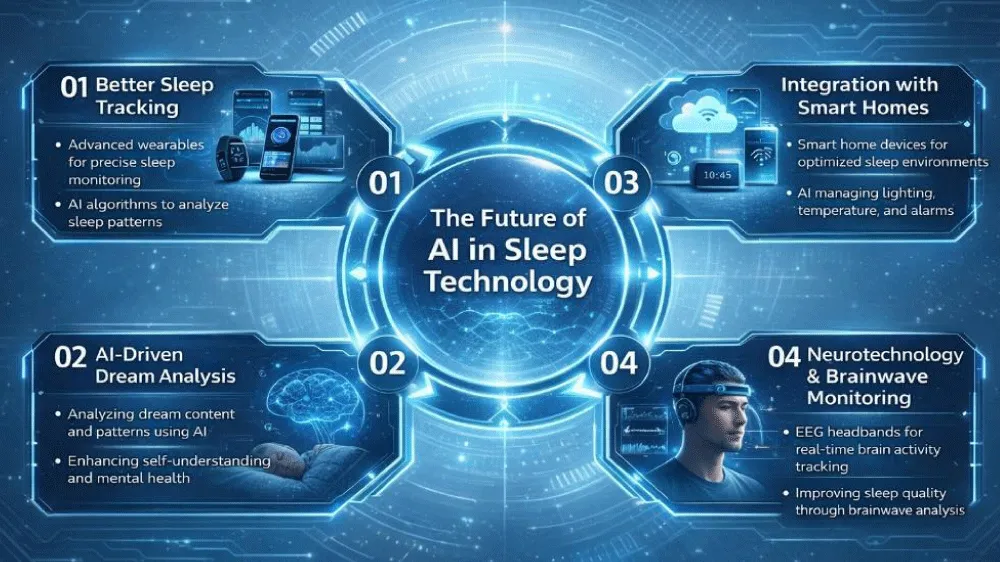
Figure 5: The Future of AI in Sleep Technology [14].
Neurotechnology and brain monitoring devices are already being used in advanced clinical sleep diagnostics and neurological monitoring [63,66]. Now Incorporating AI into smart homes and connected environments provides additional opportunities. Integration between sleep systems and environmental monitoring platforms may allow coordination of temperature, lighting and environmental controls according to sleep patterns [26,30]. For example, environmental automation could regulate room temperature and lighting based on circadian rhythms or detected sleep phases [11].
Integrating global advances in sleep science, AI diagnostics and smart sleep technologies
Just as smartphones combine an ordinary phone with advanced technology, smart beds are transforming the traditional mattress through integrated sensing, automation and AI analytics [26,40]. Recent advancements in sleep science have moved beyond basic sleep tracking, featuring breakthroughs in neurobiology, AI-driven diagnostics for sleep disorders and sophisticated in-home monitoring technology [63,64]. Recent research also emphasizes the role of sleep in memory consolidation, the gut–brain connection and personalized sleep optimization through smart technologies [2,70]. Global R&D efforts are significant and key global breakthroughs are outlined below.
Key research findings
Neurobiology of REM sleep: Scientists have identified the melatonin MT1 receptor as an important regulator of REM sleep, providing potential therapeutic pathways for neurological disorders [5,6].
Memory consolidation: Research confirms that memory reactivation occurs during sleep and contributes to improved long-term memory retention [2,16].
Gut microbiota impact: Studies show associations between sleep disruption and gut microbiome diversity, highlighting sleep as a systemic biological process rather than purely a neurological one [70].
Lucid dreaming communication: Experimental studies have demonstrated that individuals can communicate from within lucid dreams using pre-arranged eye movement signaling during REM sleep [71,72].
Technological and therapeutic innovations
AI and machine learning: AI algorithms such as EnsoSleep have improved the speed, consistency and accuracy of sleep study analysis including polysomnography scoring [64].
Advanced diagnostics: New portable and home-based sleep testing technologies can monitor brainwaves, REM sleep and breathing patterns, improving accessibility of diagnosis for conditions such as sleep apnea and insomnia [65,66].
Wearable and smart devices: Modern sleep devices now extend beyond activity tracking to include brain-sensing headbands, biometric wearables and adaptive sleep surfaces capable of providing personalized sleep insights [45,67].
Sleep apnea treatments: The FDA has approved implantable upper airway stimulation devices that treat sleep apnea without the need for traditional CPAP masks [63,73].
Future directions in sleep medicine
Telehealth integration: Remote consultation and digital diagnostics are increasingly becoming part of sleep disorder management as AI diagnostics improve accessibility and efficiency [63].
Personalized sleep medicine: Sleep research is increasingly shifting toward individualized and data-driven treatment approaches supported by AI and precision health frameworks [24,25].
Individualized environmental controls: There is growing emphasis on individualized sleep environments including temperature regulation, adjustable sleep positioning and personalized sleep systems [26,41].
Globally there is significant evolution in cutting-edge AI sleep technology aimed at enhancing sleep health through deep learning analysis of sleep data without requiring wearable devices [53,69]. Several companies are progressively developing these technologies for commercialization (Figure 6).
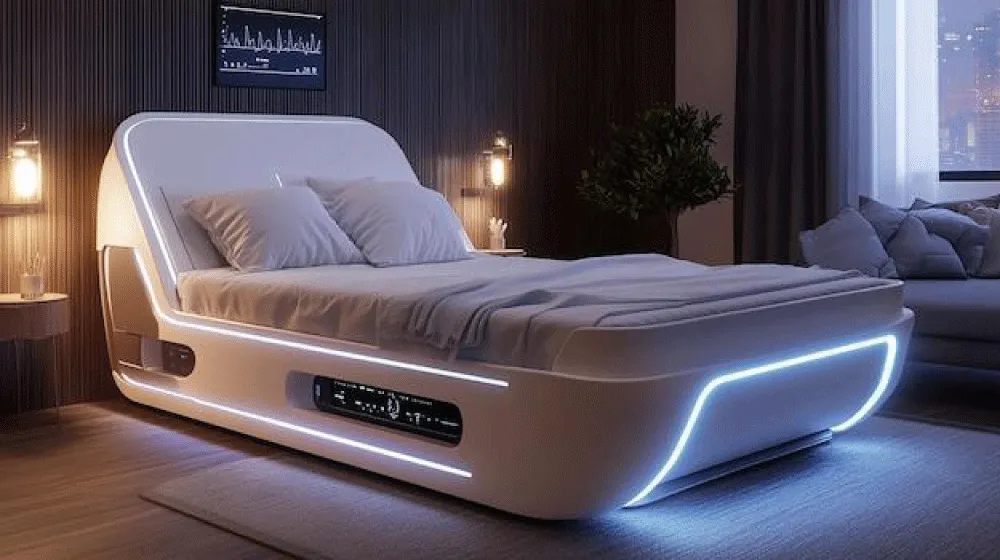
Figure 6: AI-Sleep Technology for Smart-Home Bedroom Interiors [14].
Key components of cutting-edge AI sleep technology
Audio-based AI (non-contact): AI models can analyses sound recordings from smartphones or ambient microphones to detect breathing patterns, snoring and movement to estimate sleep stages without physical contact [53,69].
Edge AI (local processing): AI sleep staging algorithms are increasingly being designed to operate directly on mobile devices, enabling real-time analysis while protecting privacy and reducing cloud dependence [54,74].
Multimodal data fusion: Advanced sleep models combine EEG, ECG, respiration and movement data to produce highly accurate sleep reports [75,76].
Predictive health analytics: AI models trained on full-night polysomnography datasets can identify sleep patterns and predict clinical risks associated with cardiovascular disease and neurological disorders [42].
Automated sleep diary: AI-driven sleep diary systems can automatically convert sleep data into understandable reports and behavioral recommendations [49,55].
Scientific advancement, precision health and health policies
AI-enhanced sleep surfaces are next-generation bedding systems that use artificial intelligence, embedded sensors, and real-time data analysis to automatically adjust firmness, support, and temperature throughout the night. These mattresses are designed to move beyond passive, static support by actively responding to body movements, sleeping positions, and pressure points to improve sleep quality and promote deeper REM cycles [15,44]. However, this is just the beginning. With the speedy growth of AI, we will soon see advances even in sleep technology. Today, we have a variety of AI devices in sleep science that can do more. These devices help with sleep tracking, offer advanced health metrics, and more [45].
Sleep problems in New Zealand being a significant public health issue necessitate use of AI-sleep systems and AI-sleep technology which have tremendous potential to monitor and use custom made therapeutic surfaces or smart beds to complement medical or clinical treatments to restore neurological sleep health and possibly even neurological disorders at a faster rate in the country. AI can also analyze and interpret both complex medical and vast health care data for diagnostics, treatment planning, drug development and patient monitoring as well as comparing databases. As we map advancements and innovations, the trend that high-tech AI sleep technology and big data analysis will now start computing sleep health and improve the way we sleep in future is true. Precision health will increasingly be used as the big picture emerges [25,73].
Precision health is an approach to health care that tailor’s medical treatment and prevention strategies based on genomic traits of individuals. This includes considering differences in people’s genes, environments, and lifestyles. The significance of precision health enhancing longevity and human lifespan is now being studied worldwide. The safe adoption of precision health aligns with the New Zealand Government’s priorities for health care. Precision health technologies should be accessible, safe, effective, equitable, accountable and deliver value. To achieve these aims, the implementation of precision health technologies such as AI and genomics must be transparent, supervised, and evaluated in terms of their impacts on the health of all New Zealanders [24,77]. AI technologies can also assist with administrative tasks, freeing up clinicians to focus on patient care. New Zealand is now in the early stages of assessing how AI can be safely adopted to improve timely access to quality health care with a range of diseases and disorders. Internationally, a range of aims and principles have been identified for precision health. New Zealand’s approach reflects the priorities and objectives in the Government’s latest Policy Statement on Health. This outlines the Government’s expectations that health entities use an evidence-based decision-making process to develop and adopt digital and innovative solutions in health policy and treatment in the future [21,78-80].
- Buysse DJ. Sleep health: Can we define it? Does it matter? Sleep. 2014;37(1):9–17. Available from: https://doi.org/10.5665/sleep.3298
- Simon KC, Nadel L, Payne JD. The functions of sleep: A cognitive neuroscience perspective. Proceedings of the National Academy of Sciences. 2022;119(44):e2201795119. Available from: https://doi.org/10.1073/pnas.2201795119
- Sleep Foundation. How much sleep do we really need? 2026. Available from: https://www.thensf.org/how-many-hours-of-sleep-do-you-really-need/
- Franken P, Dijk DJ. Circadian clock genes and sleep homeostasis. European Journal of Neuroscience. 2007;25(9):2461–2474. Available from: https://doi.org/10.1111/j.1460-9568.2009.06723.x
- Hardeland R, Pandi-Perumal SR, Cardinali DP. Melatonin: A multifunctional signaling molecule. International Journal of Biochemistry and Cell Biology. 2015;63:40–44.
- Gobbi G, Comai S. Differential function of melatonin receptors in REM sleep regulation. Journal of Pineal Research. 2019;66(3). Available from: https://doi.org/10.3389/fendo.2019.00087
- American Sleep Apnea Association. What is sleep? 2023. Available from: https://www.sleepapnea.org/what-is-sleep-apnea/
- EBSCO Information Services. Sleep science (Somnology). 2024. Available from: https://www.ebsco.com/research-starters/science/somnology
- Borbély AA, Daan S, Wirz-Justice A, Deboer T. The two-process model of sleep regulation. Journal of Sleep Research. 2016;25(2):131–143. Available from: https://doi.org/10.1111/jsr.12371
- Besedovsky L, Lange T, Born J. Sleep and immune function. Pflügers Archiv. 2012;463:121–137. Available from: https://doi.org/10.1007/s00424-011-1044-0
- Herzog ED, Hermanstyne T, Smyllie N, Hastings M. Circadian rhythm regulation. Nature Reviews Neuroscience. 2017;18:31–42.
- Easton A, Meerlo P, Bergmann B, Turek F. Suprachiasmatic nucleus regulation of sleep. Current Biology. 2004;14(7):579–585.
- Borbély AA. Sleep homeostasis developments. Sleep Medicine Reviews. 2022;63.
- Satralkar M. Alleviation of neurological sleep disorders through targeted rehabilitation using restorative therapeutic surfaces in New Zealand. Journal of Clinical Neuroscience and Rehabilitation. 2026;2(1):027–031
- Zhang Y, Chen F, Liu H, Wang J. Smart mattress sleep monitoring using pressure sensors. IEEE Sensors Journal. 2021.
- Crowley K. Memory consolidation during sleep. Nature Reviews Neurology. 2024.
- Stats NZ. 2023 Census: population counts. 2023. Available from: https://www.stats.govt.nz/information-releases/2023-census-population-counts-by-ethnic-group-age-and-maori-descent-and-dwelling-counts/
- Ministry of Health NZ. Annual data explorer 2019/20: New Zealand Health Survey: insufficient sleep. 2019. Available from: https://www.health.govt.nz/publications/annual-update-of-key-results-201920-new-zealand-health-survey
- Paine SJ, Gander PH, Harris RB, Reid P. Prevalence and consequences of insomnia in New Zealand: disparities between Māori and non-Māori. Aust N Z J Public Health. 2004;28(2):116-125.
- Paine SJ, Smith C, Gander PH. Insomnia prevalence and consequences in New Zealand: disparity between Māori and non-Māori. Aust N Z J Public Health. 2018;42(6):590-596.
- Manatū Hauora. New Zealand Health Survey. 2024. Available from: https://www.health.govt.nz/statistics-research/surveys/new-zealand-health-survey
- Sangeetha S, Kumar R, Priya V. AI-IoT sleep monitoring systems. International Journal of Advanced Computer Science. 2022.
- Manners J. AI sleep health monitoring systems. 2025.
- Manatū Hauora. Digital health strategy. 2025.
- Wilkinson T. Precision health development. New Zealand Medical Journal. 2025.
- Intuz. AI applications in mattress technology. Industry report. 2025.
- BedTimes Magazine. Global bedding technology trends. 2025.
- Tempur Sealy International. Tempur-Ergo ProSmart specifications. 2025. Available from: https://au.tempur.com/bases/by-product-type/adjustable-bed-bases-AUERGOPROSMART.html
- Fullpower Technologies. Sleeptracker AI technology. 2025.
- AmerisourceCon. Healthcare innovation report. 2025. Available from: https://healthinnovationpress.com/index.php/hir/index
- The Bed Specialist. Guide to adjustable beds. 2025.
- Albarqouni L. Sleeping position and reflux symptoms. Journal of Clinical Sleep Medicine. 2021.
- PlushBeds. Adjustable bed mattress compatibility. 2025.
- HealthCentral. Sleeping position and GERD. 2024. Available from: https://www.asterhospitals.in/blogs-events-news/aster-rv-bangalore/optimal-sleeping-positions-gerd
- Kingsley Clinic. Sleep apnea positioning therapy. 2023.
- Mattress Miracle. Adjustable beds and snoring. 2025.
- Abu-Own A, Scurr J, Coleridge-Smith P. Effects of leg elevation on venous flow. European Journal of Vascular Surgery. 1994.
- Chadwick P. Leg elevation therapy. British Journal of Community Nursing. 2022.
- Ielapi N. Venous circulation physiology. Journal of Vascular Medicine. 2022.
- Enicomp. Future mattress innovation report. 2025.
- The Sleep Company. Smart mattress innovation. 2025.
- Cay G. Motion tracking sleep monitoring. Biomedical Signal Processing. 2020.
- Liu S. Predictive sleep modelling. Artificial Intelligence in Medicine. 2023.
- Fox N. Machine learning applications in sleep science. Sleep Medicine Reviews. 2025.
- Perslev M, Darkner S, Kempfner J, Jennum P, Igel C. U-Sleep AI sleep staging. Sleep. 2019.
- Siyahjani F. AI smart bed systems. Biomedical Engineering Advances. 2025.
- Savard J. Digital sleep monitoring. Journal of Sleep Research. 2024.
- Pressure Sensor Sleep Systems. Sleep monitoring white paper. 2023.
- Haba-Rubio J. Contactless sleep monitoring review. Sleep Medicine Reviews. 2021.
- Zhang Y. Multimodal sleep sensing systems. Sensors. 2023.
- Slumberzone. New Zealand. 2026.
- New Zealand Bed Company. New Zealand. 2026.
- HEKA Sleep. AI mattress technical overview. 2025.
- Jeon J. Deep learning sleep analytics. IEEE Access. 2023.
- Chen H, Chiang R, Storey V. Healthcare data analytics challenges. Journal of Medical Systems. 2017.
- Bertisch S. Sleep environment and health outcomes. Sleep Health. 2014.
- Radwan A. Mattress design and sleep quality. Journal of Chiropractic Medicine. 2015.
- Jacobson B, Boolani A, Smith D, McGhan J. Bedding systems and sleep outcomes. Journal of Manipulative and Physiological Therapeutics. 2009.
- Park S. Positional snoring therapy. Sleep and Breathing. 2017.
- Oksenberg A, Silverberg D, Arons E, Radwan H. Positional sleep apnea therapy. Chest. 2000.
- Allen RP, Picchietti D, Hening WA, Trenkwalder C, Walters AS, Montplaisi J; Restless Legs Syndrome Diagnosis and Epidemiology workshop at the National Institutes of Health; International Restless Legs Syndrome Study Group. Restless legs syndrome: diagnostic criteria, special considerations, and epidemiology. A report from the restless legs syndrome diagnosis and epidemiology workshop at the National Institutes of Health. Sleep Med. 2003;4(2):101-19. https://doi.org/10.1016/s1389-9457(03)00010-8
- Trenkwalder C, Allen R, Högl B, Paulus W, Winkelmann J. Restless legs syndrome guidelines. Sleep Medicine. 2016.
- American Academy of Sleep Medicine. Clinical sleep medicine guidelines. 2024.
- Grassi A. AI in sleep medicine. Sleep Medicine Reviews. 2023.
- Beacon Biosignals. Neurotechnology sleep monitoring. 2026. Available from: https://beacon.bio/
- Advanced Brain Monitoring. Sleep diagnostic devices. 2024. Available from: https://www.advancedbrainmonitoring.com/
- Ong JL. Wearable sleep monitoring technologies. Sleep Medicine Reviews. 2023.
- Bruni O. Future sleep medicine developments. Sleep Medicine. 2025.
- Hong S, Lee H, Cho Y. Audio AI sleep staging. IEEE Journal of Biomedical Health Informatics. 2022.
- Benedict C. Gut microbiome and sleep. Sleep Medicine Reviews. 2019.
- Konkoly K. Communication during lucid dreaming. Current Biology. 2021.
- Paller K. Dream communication experiments. Current Biology. 2021.
- U.S. Food and Drug Administration. Upper airway stimulation approval. 2023.
- Rafiei M. Edge AI sleep analysis. IEEE Internet of Things Journal. 2022.
- Zhou J. Multimodal sleep data fusion. IEEE Reviews in Biomedical Engineering. 2022.
- Gutiérrez-Tobal G. AI polysomnography analysis. Computer Methods and Programs in Biomedicine. 2019.
- Te Whatu Ora Health New Zealand. National health strategy. 2025.
- New Zealand Government. Government policy statement on health. 2025.
- Ministry of Health NZ. Annual Data Explorer 2019/20: New Zealand Health Survey: Insufficient sleep. 2019.
- AI Forum New Zealand. Artificial intelligence and health report. 2019.